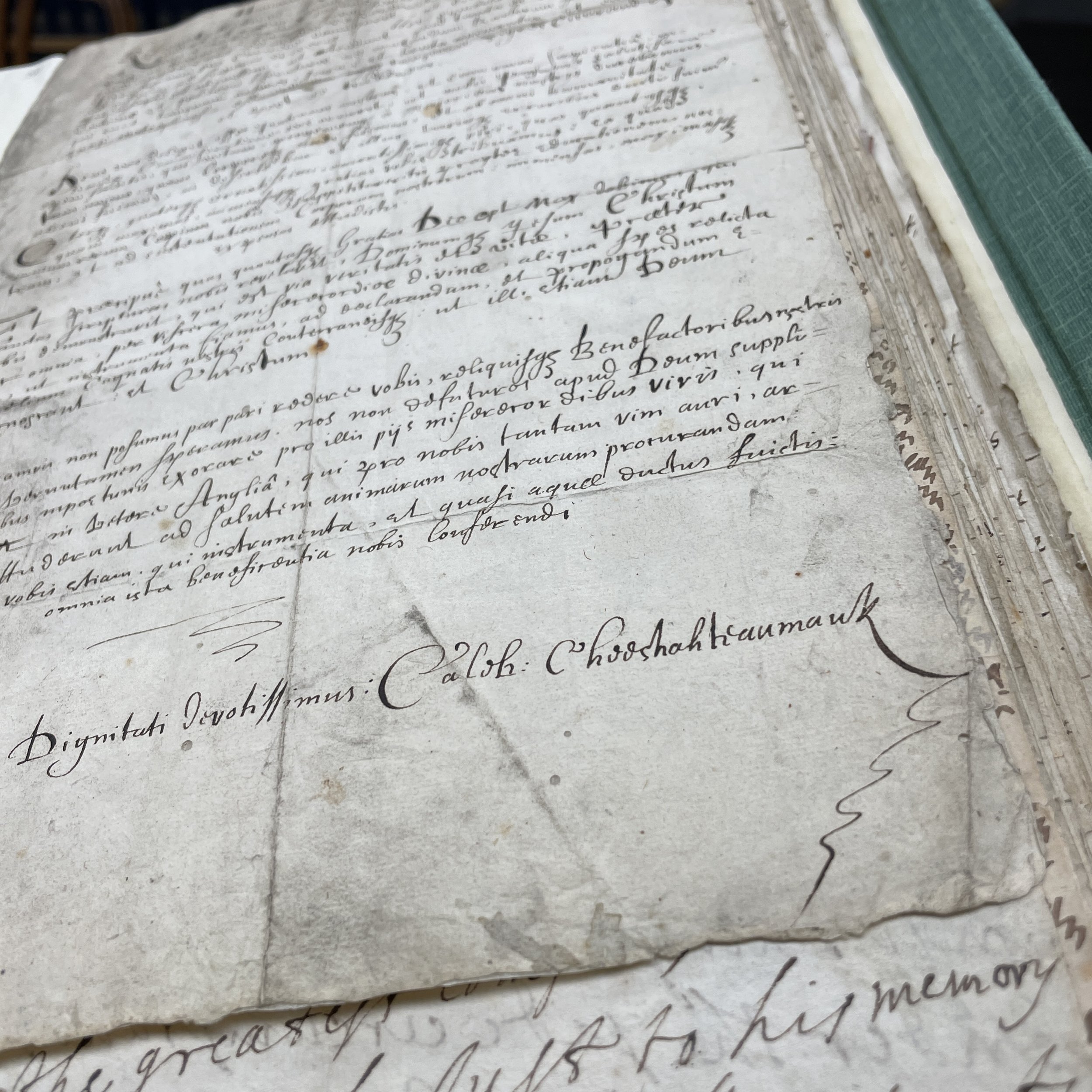
Cheeshahteaumauk’s Latin
Society of Early Americanists 2027 Biennial Conference
Caleb Cheeshahteaumuck was the only Indigenous student to graduate from the Harvard Indian College in the seventeenth century. His manuscript letter in Latin, addressed to the school’s benefactors, has long been known to scholars (Royal Society, London RB/3/2/6), but this paper offers a new reading of the text from the perspective of the history of the book and classical reception. It foregrounds Cheeshahteaumuck’s Latinity and the importance of Indigenous literacy and learning in the Massachusetts Bay and Plymouth colonies, especially in his native Noepe (Martha’s Vineyard), before 1700. Drawing on archival evidence for Latin rhetorical education, as well as for book ownership and use among the college’s earliest students, the paper identifies an extended and nuanced allusion to Cicero’s Defense of the Poet Archias (Pro Archia poeta) in Cheeshahteaumuck’s letter. It argues that education in literary Latin—or what Cheeshahteaumuck calls humanitas (translated as “humanity,” but also on its way to meaning “the humanities”)—was essential to his complex negotiation of citizenship, faith, and belonging in this letter.
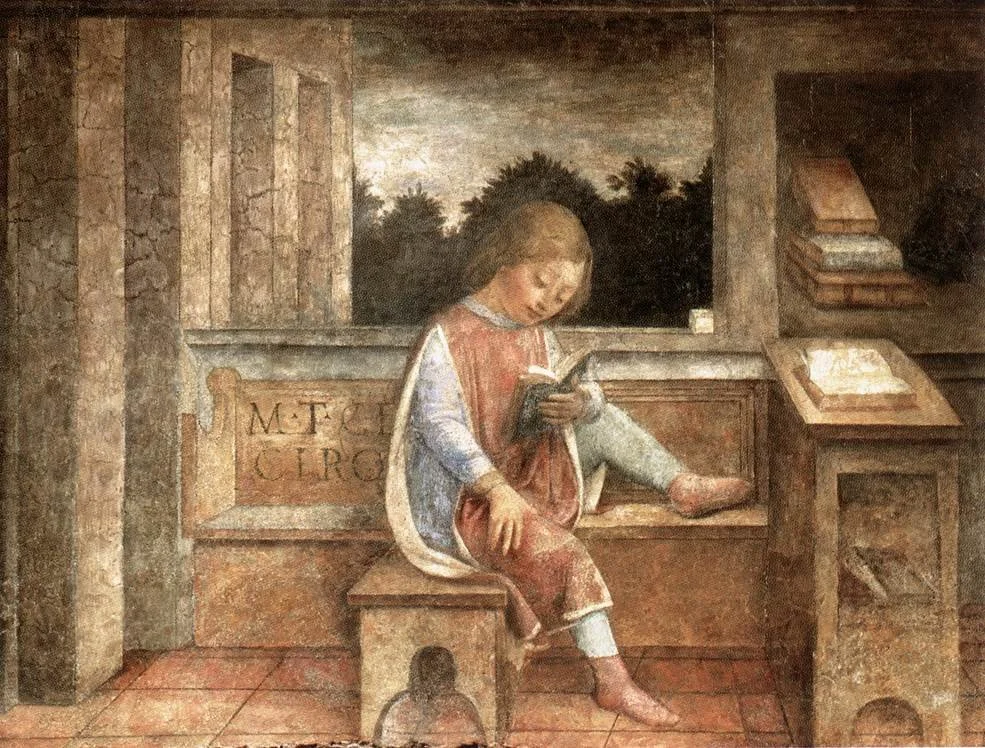
“Cicero’s Books as Friends” (Keynote Lecture)
Cicero International Awayday 2026
The trope of “books as friends” has a long history in the Western tradition, including prominent appearances in the personal writings of such figures as Francesco Petrarch, Nicolo Machiavelli, W. E. B. Du Bois, and Virginia Woolf. But, like many things, the first clear attestation of the phenomenon appears in the writings of Cicero: namely, the first letter to Varro of Book 9 of the Familiares, where upon returning to Rome in the wake of Pharsalus, Cicero writes of having been “restored to the favor of [his] old friends, that is to say [his] books” (Fam. 9.1.2 = SB 175 scito enim me, postea quam in urbem venerim, redisse cum veteribus amicis, id est cum libris nostris, in gratiam). This paper collects such references to books as companions, sources of consolation, and sites of affection in Cicero’s works, focusing on the letters and treatises from the period of his philosophical retirement, and shows how Cicero’s thinking about his own personal relationships with old books was shaped by—and in turn shaped—his philosophical project.
“Authorship without Authors: Grammatical Intermediaries and the Making of ‘Author’” @ Durham, “Writing from the Margins”
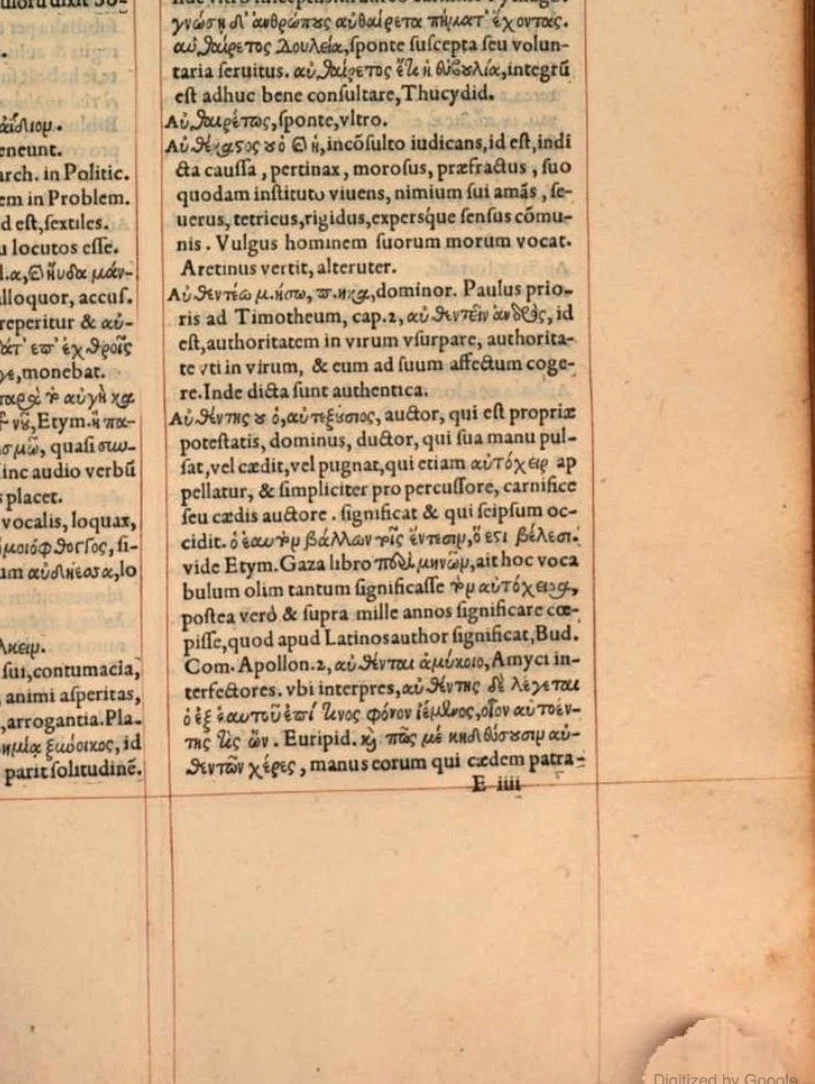
“What is an author?” Michel Foucault posed this question to unsettle modern assumptions about authorship as a natural or self-evident category. This paper approaches the question from a historical angle, arguing that one of the most enduring concepts of the “author” in European literary culture emerged through the work of intermediaries who did not themselves occupy the traditional position of author. Focusing on medieval glossators and grammarians, it reframes authorship as a collaborative, layered, and fundamentally mediated phenomenon.
The paper centers on a minor but consequential misreading of Priscian’s Institutiones grammaticae by glossators active around the turn of the thirteenth century. In their pedagogical efforts to explain Latin auctor and auctoritas, these glossators proposed an etymological backformation by analogy with the Greek authentēs and authentia. Although philologically mistaken, this analogy proved remarkably productive. It was later taken up and systematized by sixteenth-century humanist scholars, giving rise to the neo-Latin forms author and authoritas, from which modern European vernaculars ultimately derive their terminology of authorship.
Rather than treating this development as a curiosity of lexical history, this paper argues that it exposes the fundamentally mediated nature of authorship itself. The modern “author” appears here not as the recovery of a classical figure but the outcome of cumulative acts of interpretation, error, and pedagogical transmission—many of them anonymous and institutionally marginal. By locating authorship in grammatical abstraction rather than literary production, this paper advances a model of “authorship without authors” that foregrounds the decisive role of intermediaries in shaping literary authority. In doing so, it offers a historically grounded framework for rethinking ancient authorship as a socio-cultural phenomenon constituted through mediation rather than individual origination.
“Humanity, Singular and Plural” (Keynote Lecture)
Lunchtime Keynote at Texas Tech Humanities Center 2026 Conference
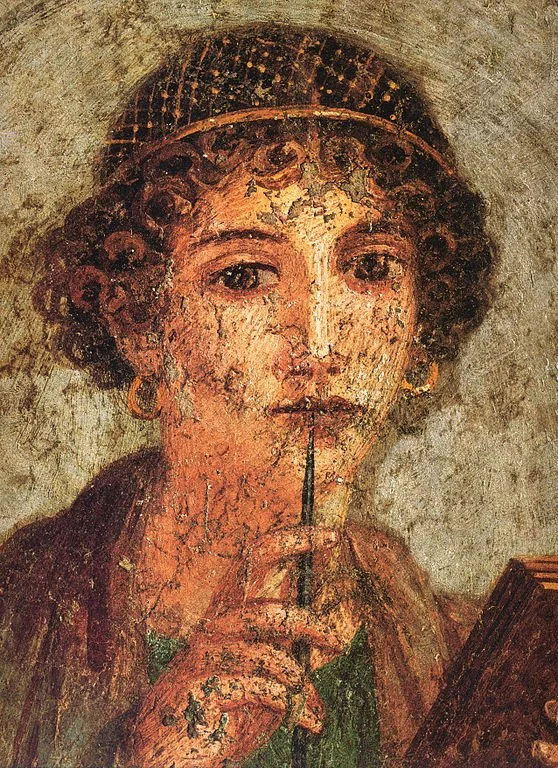
TTU Humanities Center Workshop: “Future Readers: The Humanities Beyond the Human”
This culminating discussion engages ecocritical and Indigenous perspectives (Roy Scranton, Timothy Morton, Elvia Wilk, Gerald Vizenor) to explore friendship and care as dimensions of reading in the Anthropocene, considering how texts, like ecosystems, outlast us and invite responsibility toward future generations.
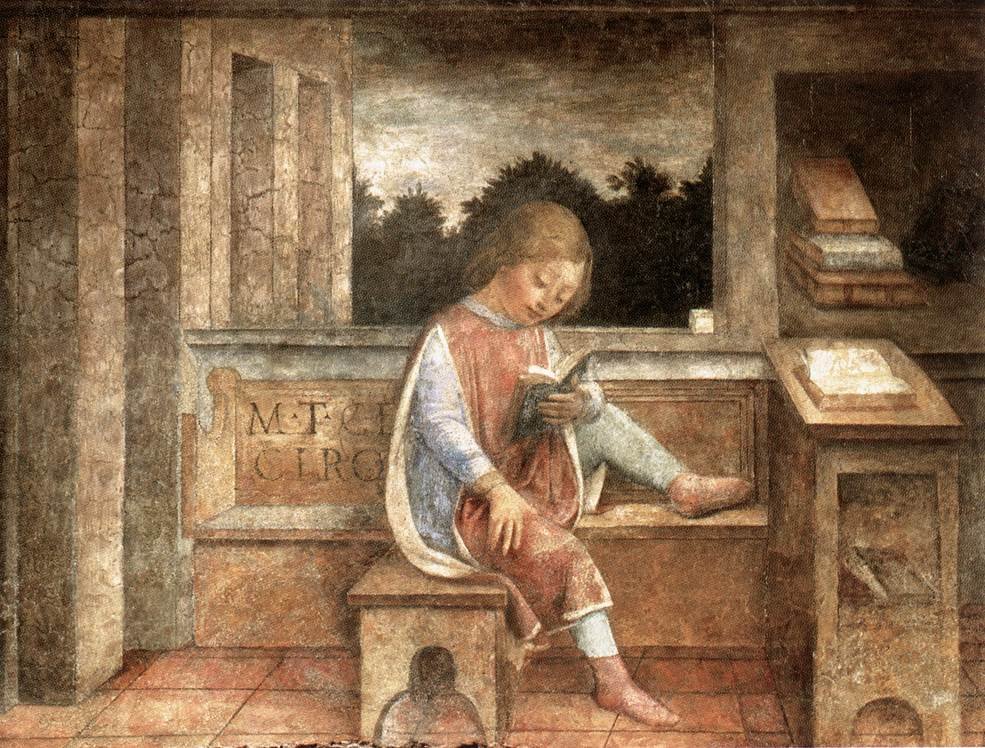
TTU Humanities Center Workshop: "Books as Friends: Translation, Transmission, and Community”
This session examines friendship and intellectual networks from Cicero to Petrarch to early modern readers of Latin texts. Participants will reflect on reading as an act of belonging and co-creation across languages and times.
TTU Humanities Center Workshop: “Reading with the Ancients: Ethics and Empathy”
An interactive discussion introducing the concept of “ethical reading.” Participants will explore short texts from Sappho, Cicero, and Shakespeare alongside modern responses by W. E. B. Du Bois, Hannah Arendt, and Anne Carson, asking how we might read the past without reproducing its exclusions.
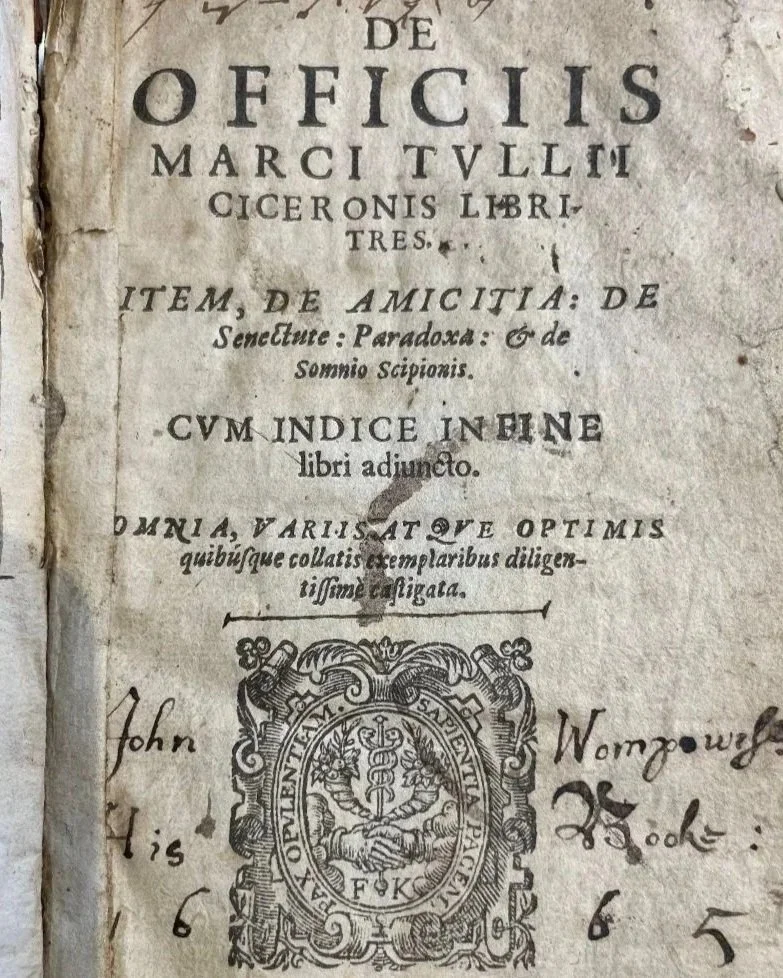
“De Officiis’ Readers” @ Penn
18th Annual Schoenberg Symposium on Manuscript Studies in the Digital Age